Mt Eden, Auckland
Residential – 2025
A long-term conversation between house, family, and placeThe Mount Eden Project is the result of a 25-year architectural relationship: an evolving response to family life, landscape, and the enduring character of a 1890s Auckland villa. Rather than a single moment... Read more
A long-term conversation between house, family, and place
The Mount Eden Project is the result of a 25-year architectural relationship: an evolving response to family life, landscape, and the enduring character of a 1890s Auckland villa. Rather than a single moment of transformation, this project demonstrates how architecture can unfold gradually. It reflects how interior and exterior spaces change to adapt to family stages.
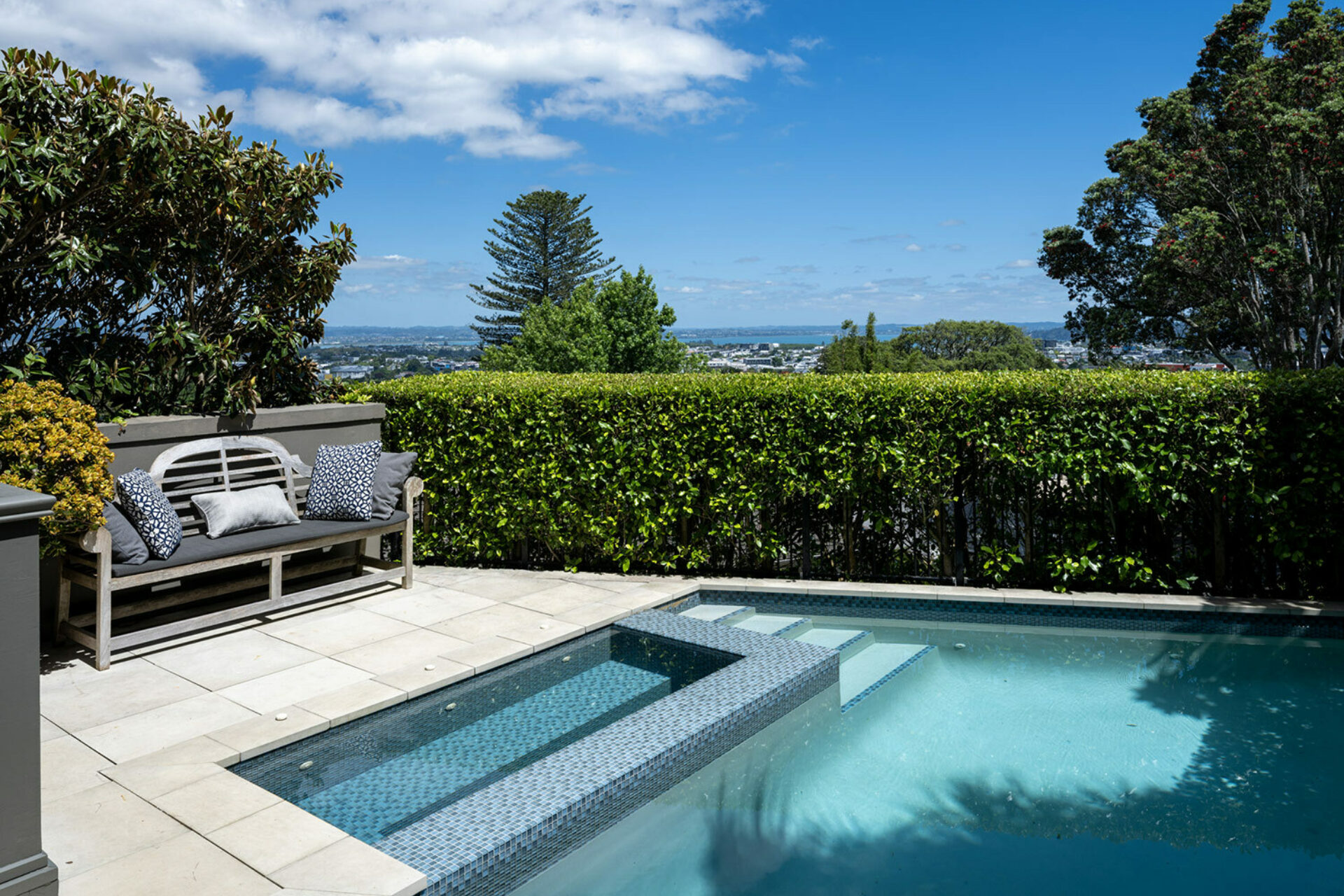
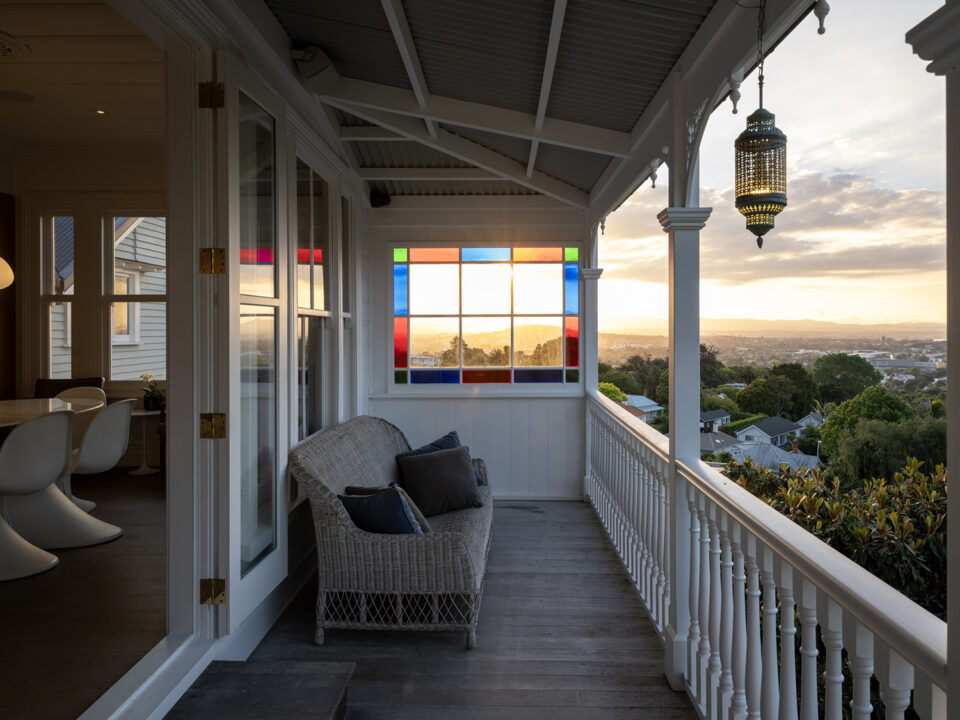
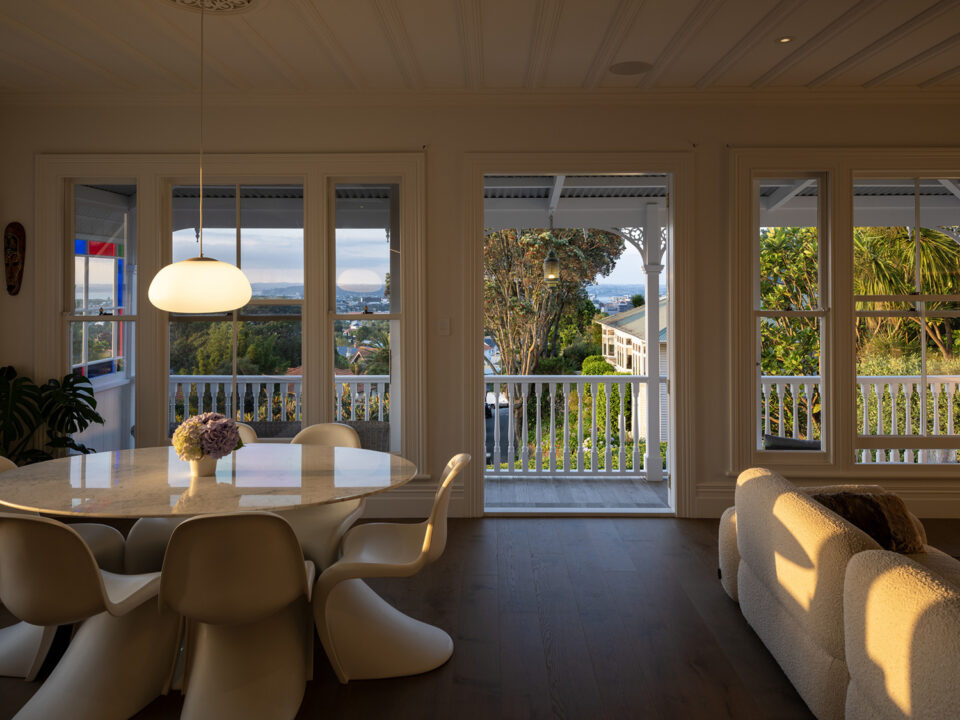
Set on the upper-most, northern slopes of Mount Eden, the house occupies a steep volcanic site of approximately 410m², with extraordinary 275 degree views stretching from the Waitākere Ranges across the city to the Waitematā Harbour. From the outset, the project was guided by a clear and shared understanding between architect and client that this would be a home that evolved over time in strategic, adaptable and affordable stages.
“Our relationship with Malcolm and his team has been a long term and enduring one. We are extremely happy with our home and this has been the result of ongoing detailed discussions and planning over multiple years.” — Client
A Brief Grounded in Life
At the beginning of the project, the clients were a young family of four and long-term owners of the property. Their brief was pragmatic yet ambitious: to make the existing villa safe, accessible, and functional for family life, while preserving its character and gradually extending its capacity to support new ways of living.
Crucially, the aim was not to create a one-off architectural showpiece, but to foster ongoing joyful daily experiences of family life—spaces that have an authentically evolving aesthetic and are supportive to the inhabitants requirements through the decades.
Stage One: Making the Villa Safe and Functional
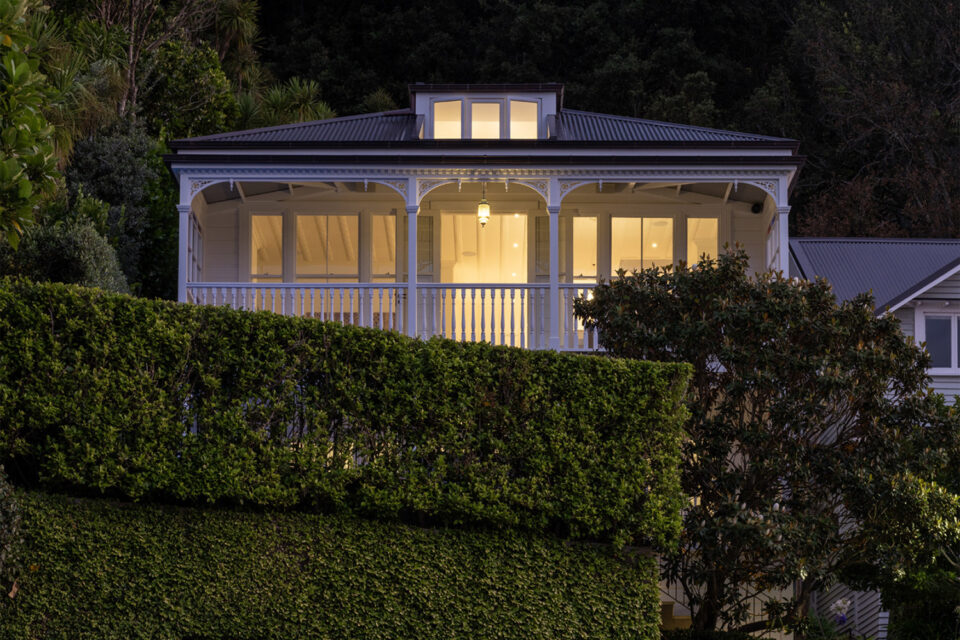
The first stage focused on stabilising and improving the existing house. Bathrooms and bedrooms were upgraded, and new internal and external staircases were introduced to improve safety across levels. Throughout this phase, the north-facing, double-height veranda and the defining elements of the original villa were carefully retained, ensuring the home’s character remained intact while becoming more usable for a growing family.
This initial stage laid the groundwork, both structurally and philosophically, for the long-term transformation that followed.
Stage Two: Excavation, Garage and Suspended Pool
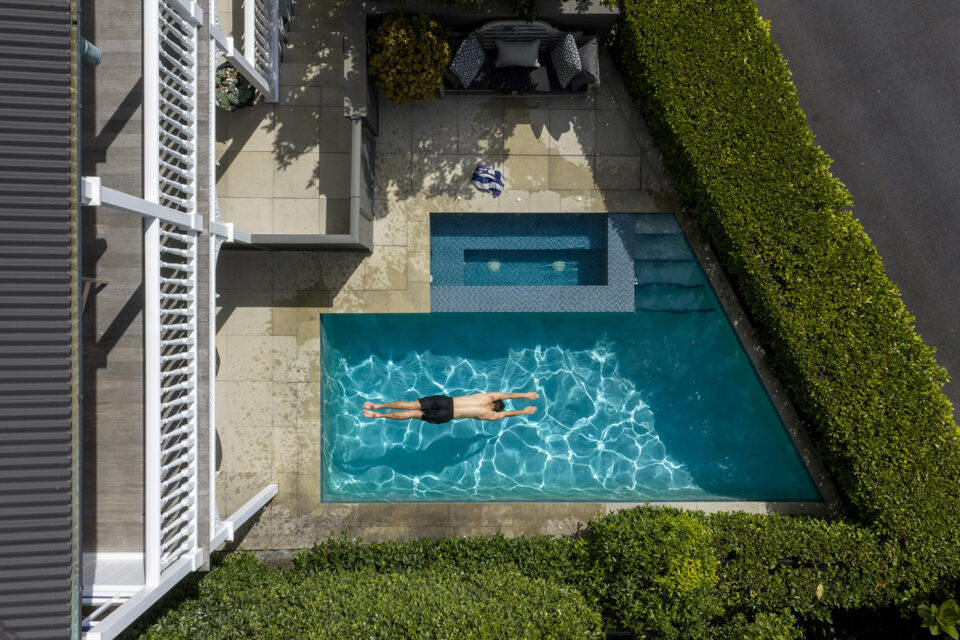
The second stage marked a significant technical and spatial shift. Excavations were carried out from street level, back to the existing house foundations and east boundary. These allowed for the construction of a street-front garage with a suspended concrete swimming pool above and new access stairs. The new swimming and spa pools required precast concrete shell beams and a complex insitu concrete construction to suit the tight urban site. Their addition created a drawcard for relaxation and recreation in a previously under-utilised, north-facing area below the living space.
Block retaining walls, suspended concrete floors, and structural framing were carefully coordinated to maximise the constrained footprint. Waterproofing and working within volcanic ground conditions presented ongoing challenges, requiring precision and resilience in both design and construction.
Importantly, this stage also prepared the house for its future evolution. The existing villa was reinforced with new structural beams, bracing, and subtle window rearrangements to support a planned third storey. A later 1950s external fireplace was removed, restoring clarity to the villa’s original form, while all new exterior joinery reused or carefully followed the original profiles, materials, and proportions.
Stage Three: The Attic Master Suite
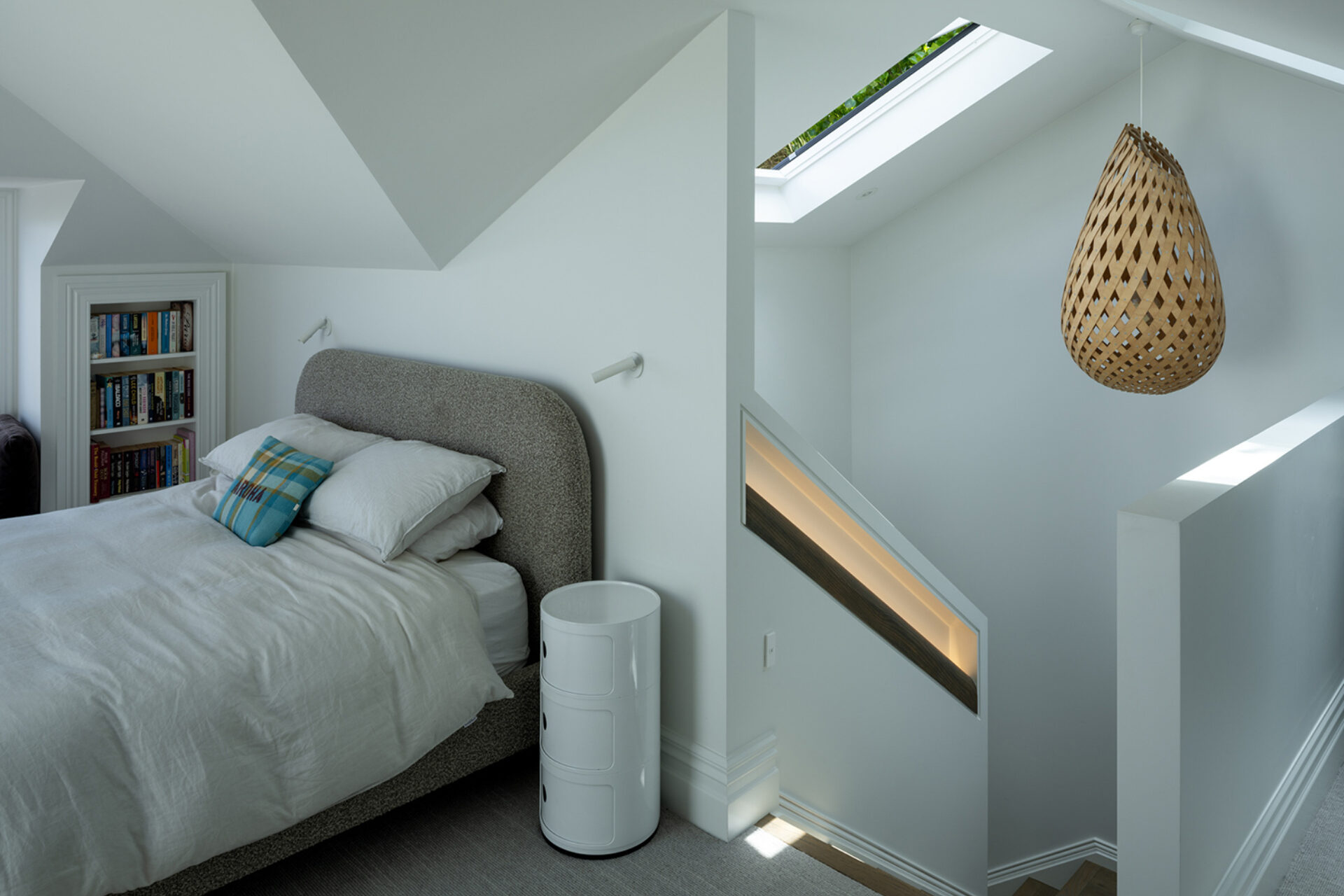
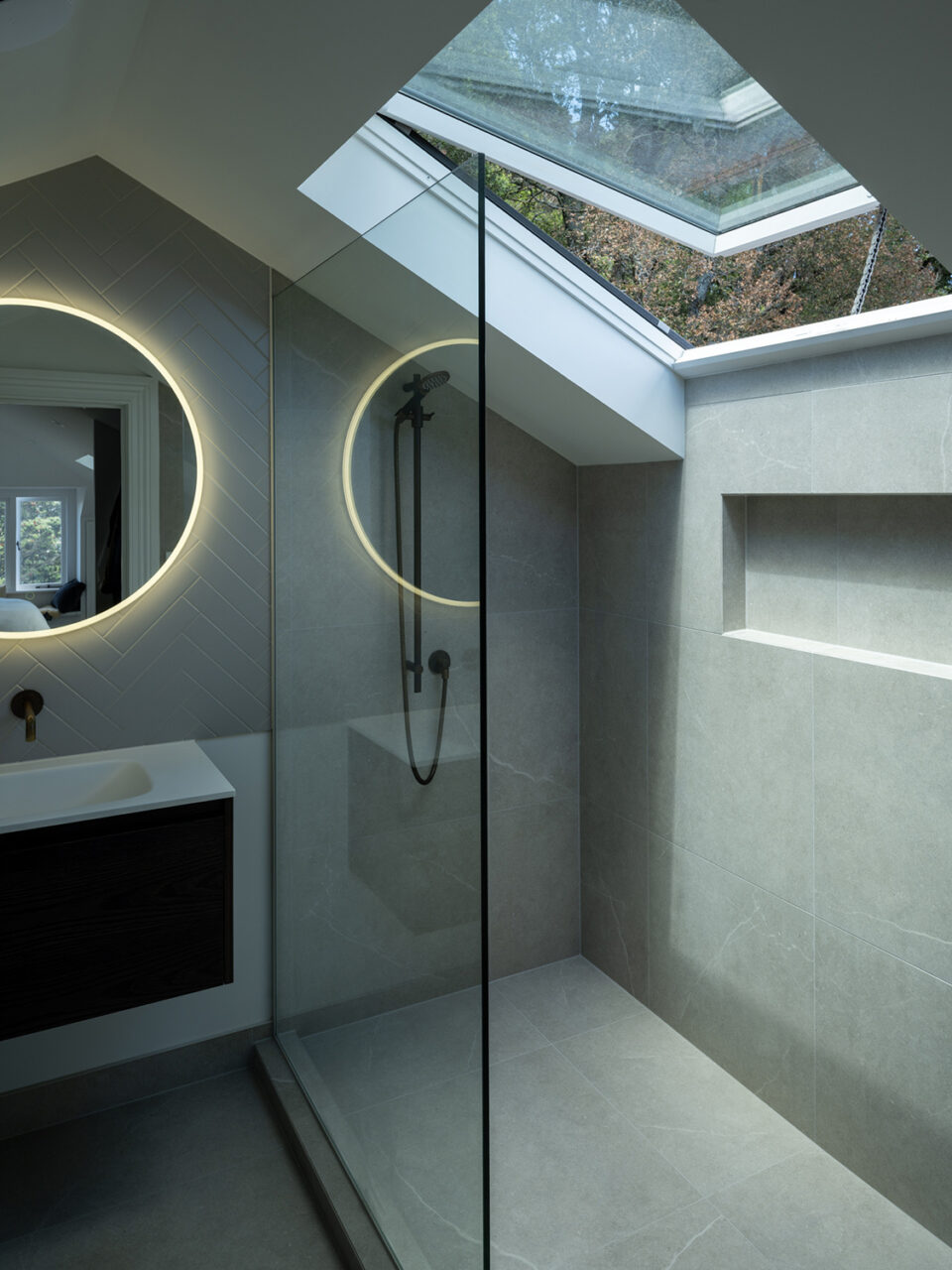
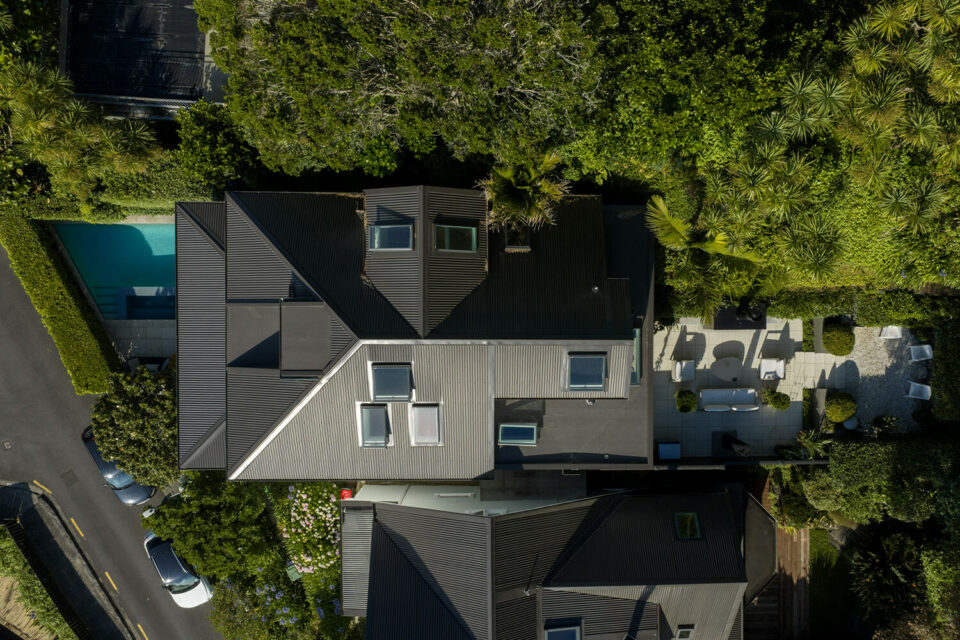
The final stage completed the long-held vision. The main bedroom was relocated into the attic, creating a generous master suite with ensuite and wardrobe. To achieve this, two existing double gables were reconfigured into a single gable, unlocking usable roof space and improving internal proportions. Complex roof structure solutions were adopted to maximise head-height within this space. Skylights were added to provide passive ventilation, views to the city and further head height in critical areas.
This stage involved a lengthy and demanding resource consent process for a minor height infringement, requiring approval from Mount Eden authorities, an Environment Court hearing and a raft of consultants—a reminder that long-term architectural projects demand patience and conviction.
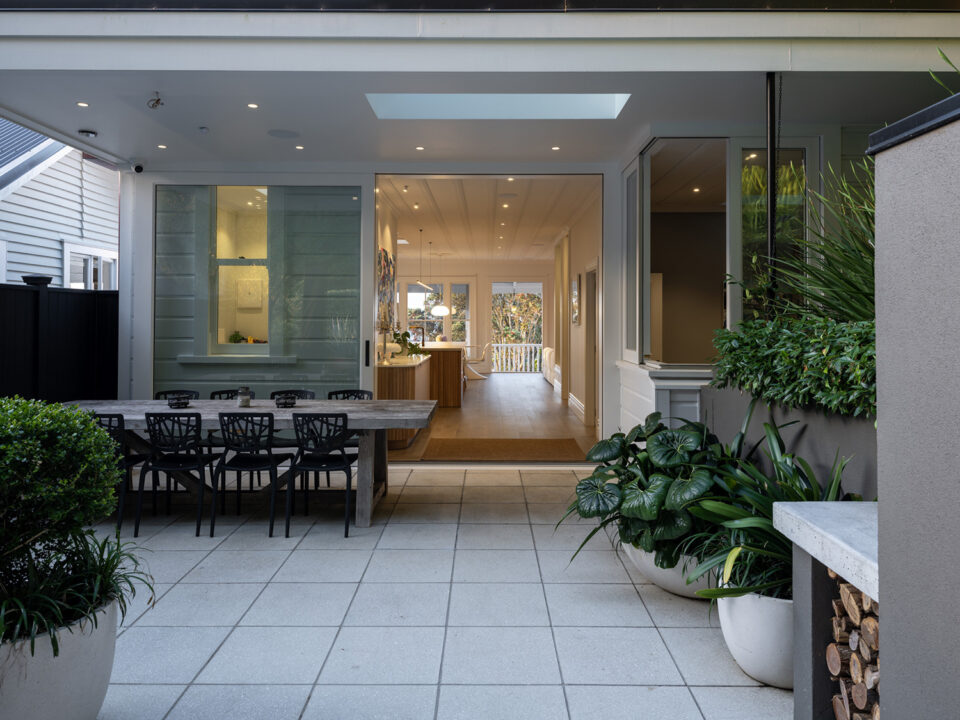
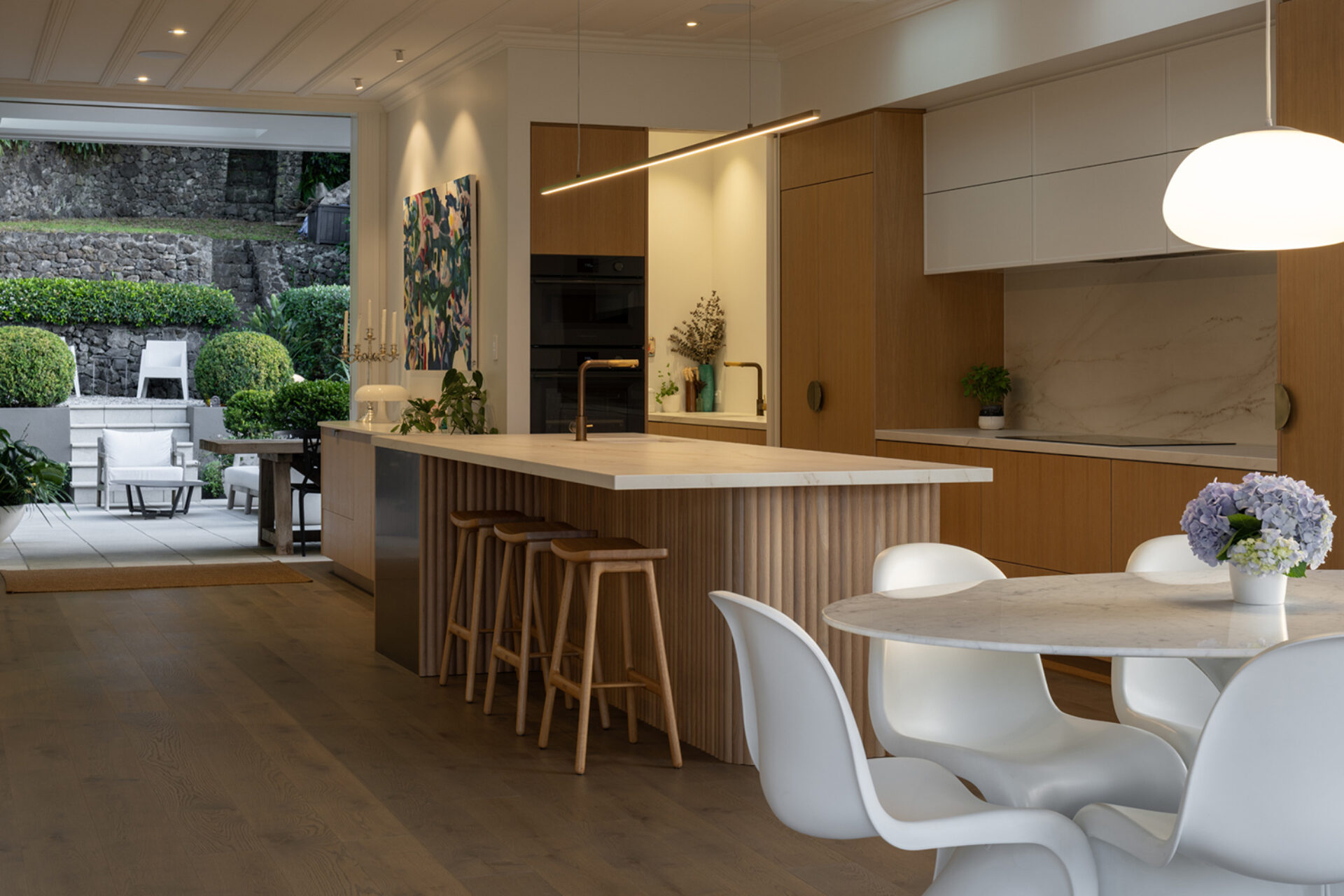
A new stair and eastern gable were introduced to improve circulation and head height, while skylights were carefully placed to draw daylight down into the mid-floor kitchen. A large sliding door now allows the kitchen wall to open fully onto the rear outdoor living area, reinforcing connections and flow between inside and out.
Courtyard, Landscape and the Mountain
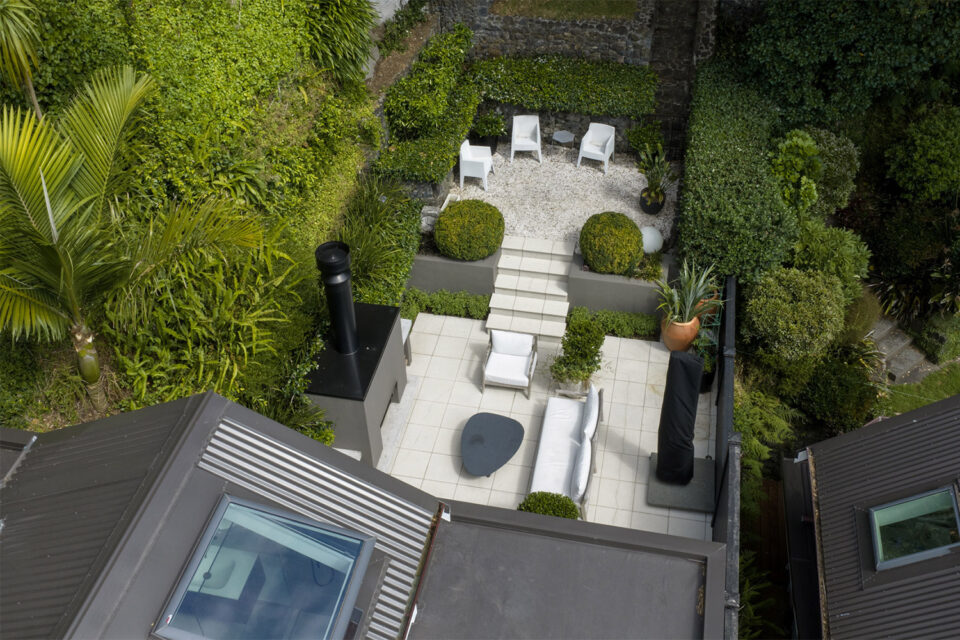
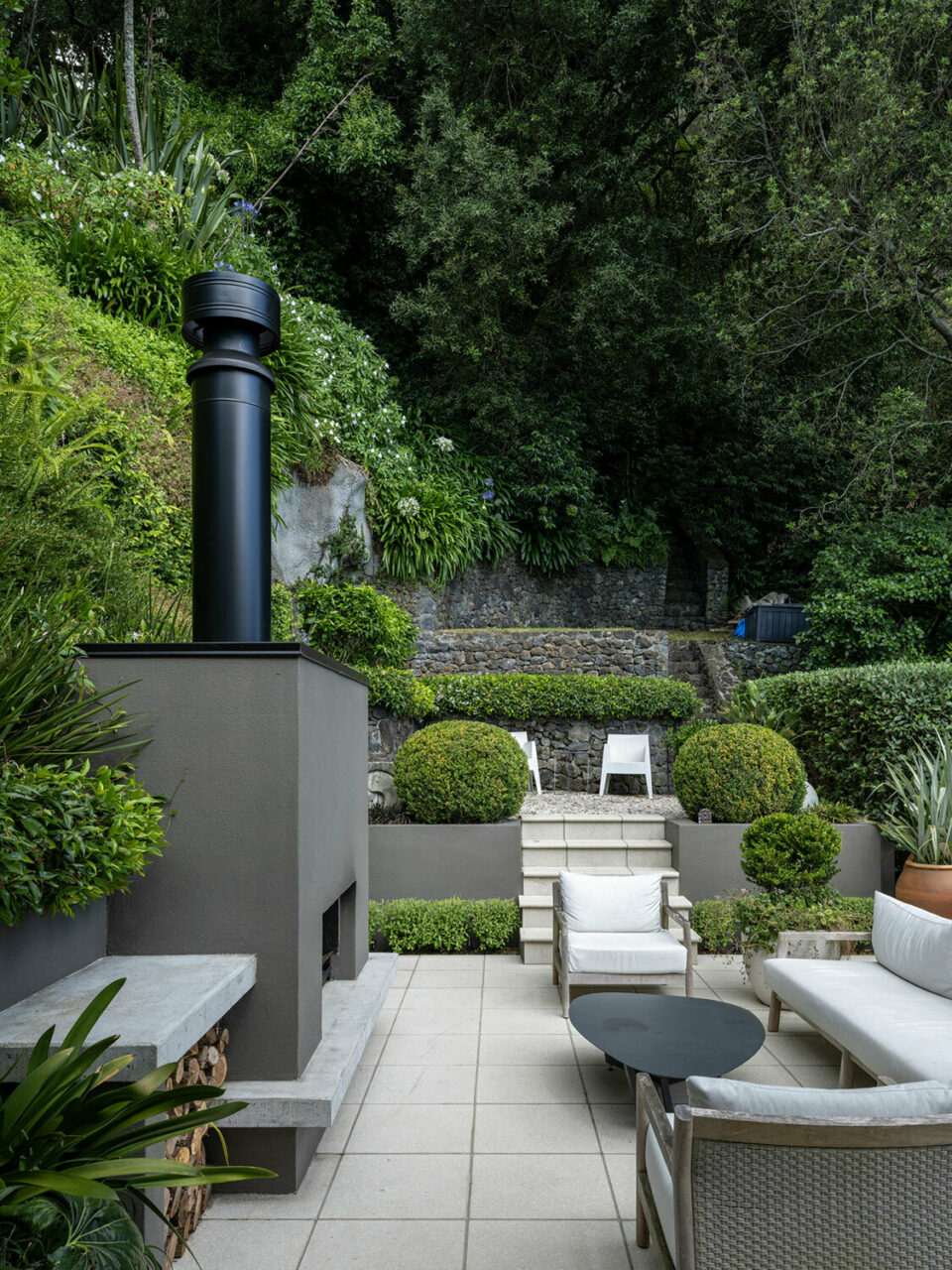
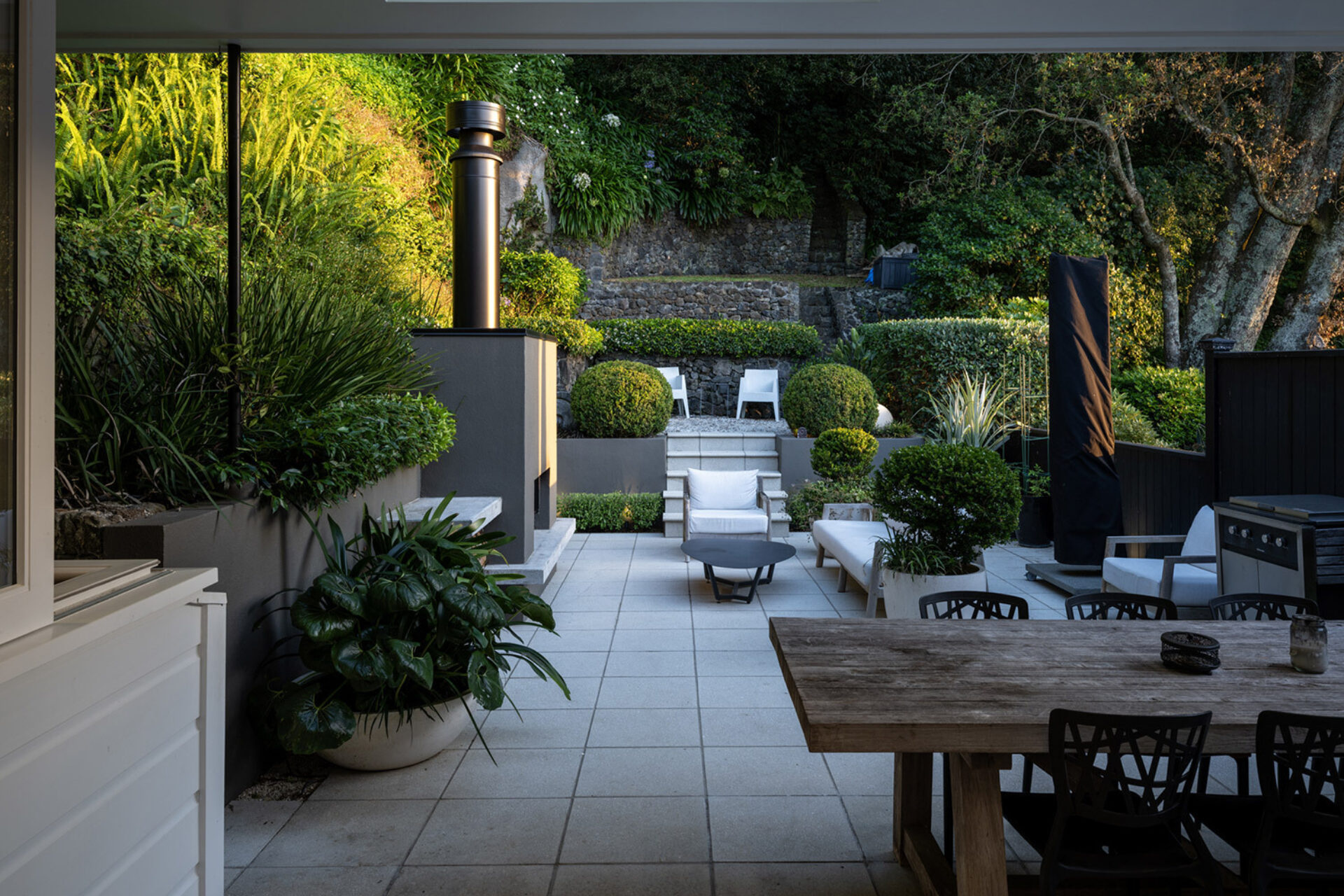
At the rear of the house, a sheltered courtyard of approximately 50m² forms the heart of outdoor living. Oriented to the west but protected from north, east, and south, it provides a private, year-round space complete with outdoor fireplace, barbecue, lounge and alfresco dining area.
Terraced steps climb the hill, linking house, courtyard, and mountain, and framing expansive views back toward the city and harbour. The logistics of construction were complex: all landscaping materials were brought through the house, seven metres above street level. A full scaffold and waterproof envelope allowed uninterrupted completion of the final works—an example of careful planning enabling architectural ambition.
Architecture as Layered Time
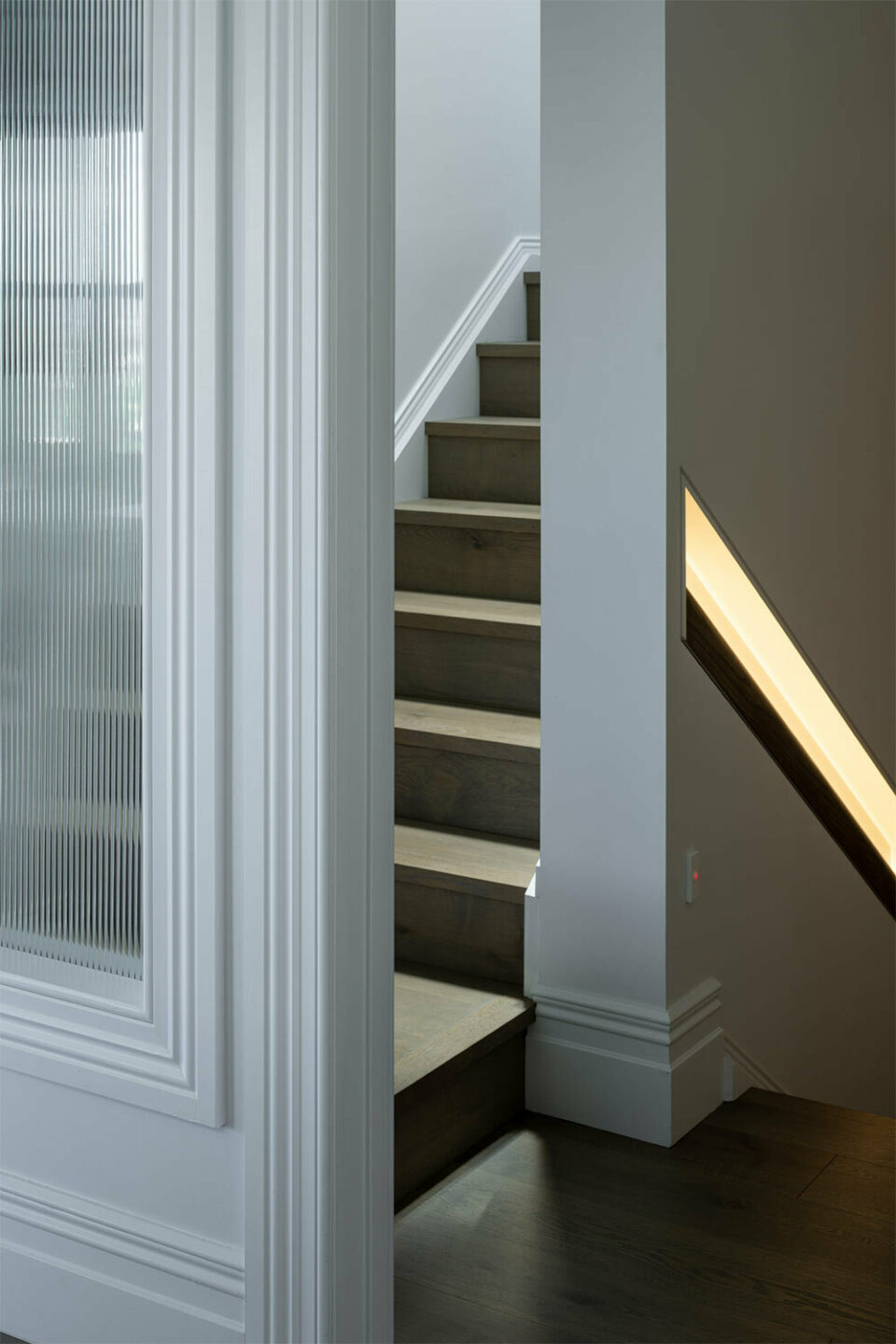
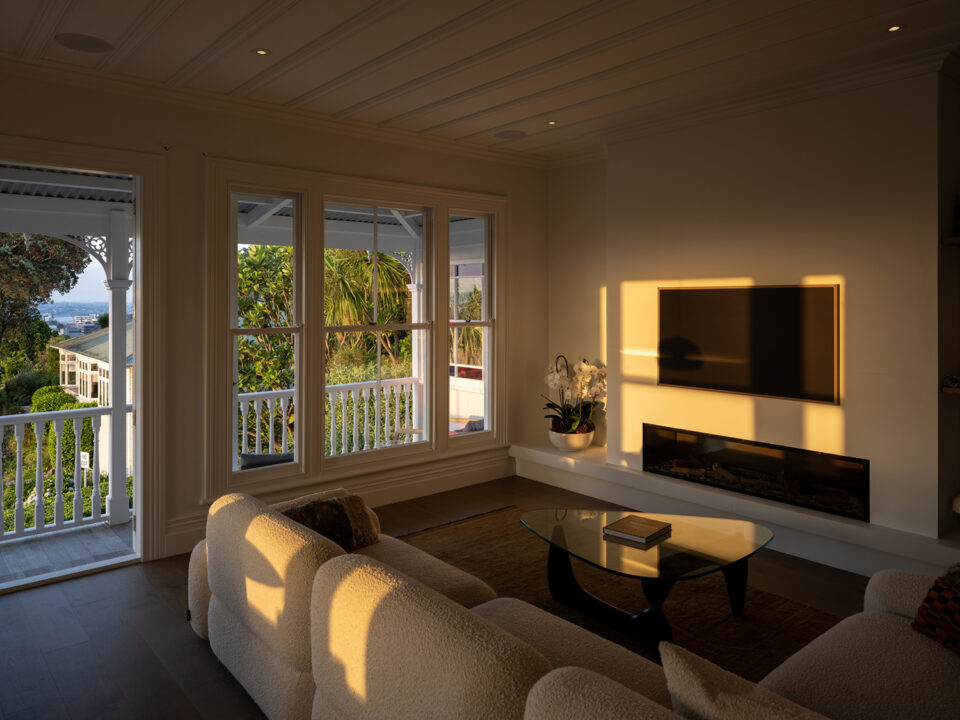
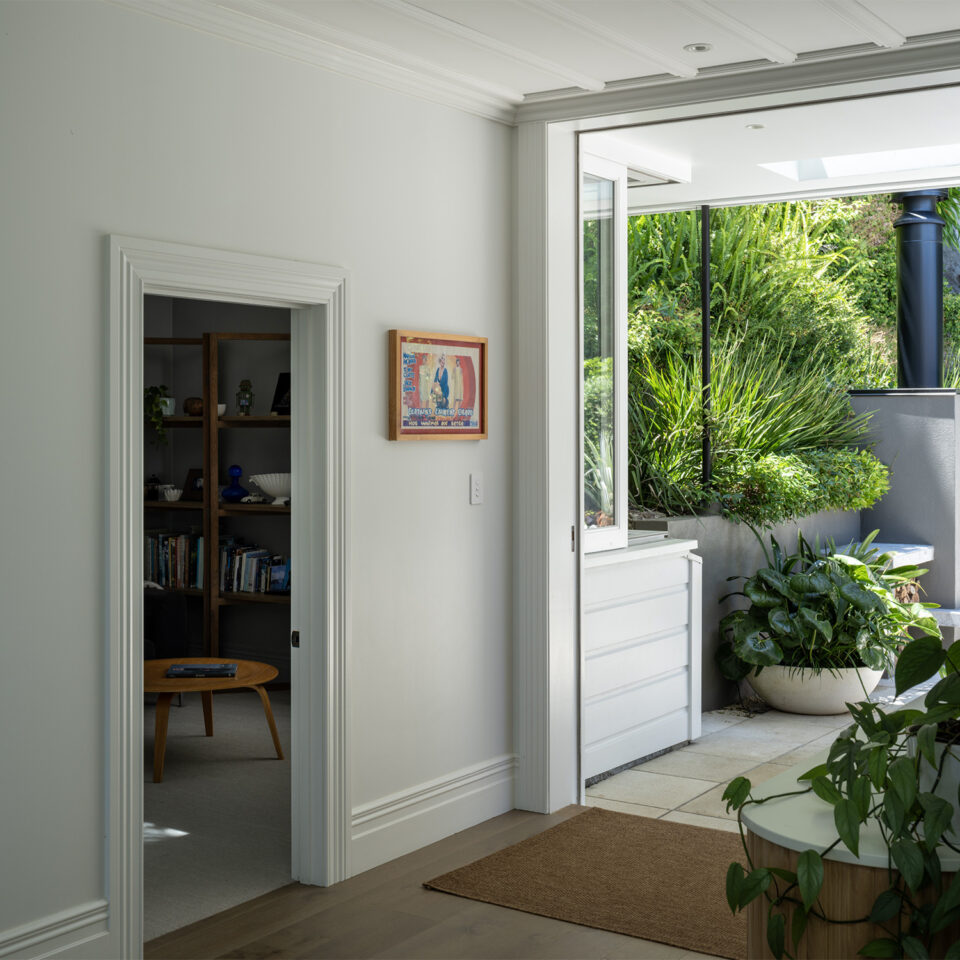
The architectural language of the Mount Eden Project is one of respectful restoration paired with strategic and functional contemporary insertion. The house is predominantly painted white inside and out, consistent with traditional villas, while crafted elements such as the three-level stair with traditional skirtings and detailing, anchor the home in its heritage.
Contemporary interventions are deliberately clear rather than imitative. A minimalist recessed stair handrail sits in contrast to traditional detailing. Oxide-smoked stained oak flooring echoes the warmth and grain of rimu while remaining distinctly modern. A contemporary pergola over the rear courtyard introduces a new architectural layer, clearly of its time, juxtaposes with the villa’s original language.
Interior design was a collaborative process, led by the client’s material and fixture selections, with architectural and interior design support providing technical resolution and cohesion.
A Collaborative Journey
Delivered in affordable, bite-sized stages, the project allowed the family to grow alongside the house. It reflects a shared tenacity and long-term vision between client and architect—one rooted in trust, patience, and a mutual appreciation for architecture as a lived experience.
The relationship has continued beyond this project into new work, reinforcing the idea that meaningful architecture is not only about buildings, but about enduring collaborations.
The Architecture of Considered Living
The Mount Eden Project demonstrates how architecture can balance heritage and modernity, technical ingenuity and emotional richness. Through light-filled interiors, strong indoor-outdoor connections, and spaces designed for daily pleasure rather than spectacle, the house offers a compelling example of human-centred living shaped over time—an architecture that continues to give back, day after day.
Documenting the Development: READ MORE HERE
Photos: Simon Devitt
Our client says
Our relationship with Malcolm and his team has been a long term and enduring one. We are extremely happy with our home and this has been the result of ongoing detailed discussions and planning over multiple years. Like any long term relationship we haven’t always agreed with each other, but it’s the debate and the trust in each other that has ultimately brought out the great results. The interaction Malcolm and his team had with our builders and other professionals was greatly appreciated. On multiple occasions they came to site at short notice to resolve and discuss a construction detail or alternative way to achieve a better outcome.
– Client